










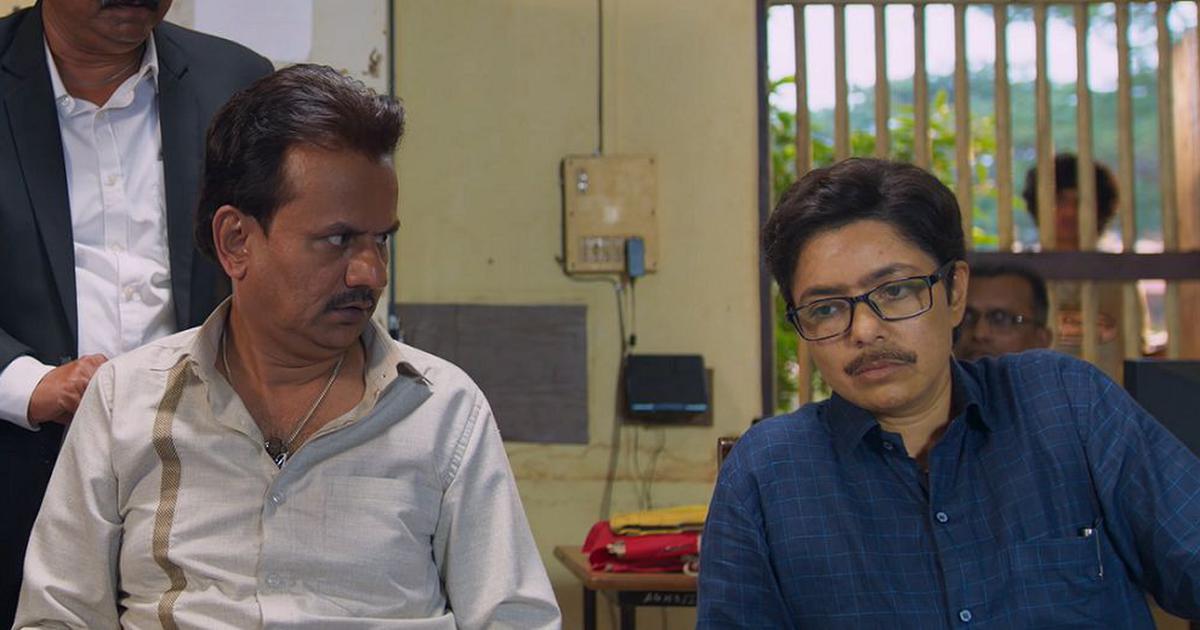
Shailya left the pretty village in the Konkan as Shailaja. Shailya has returned as Shailesh. Gender-affirming surgery has given Shailya (Rajshri Deshpande) the peace that he never felt in his previous body. But Shailya’s arrival is a tsunami that has landed without a warning.
Nobody knows what to make of the revenant, least of all his ex-husband Anya (Girish Kulkarni). Anya, a fisherman, can scarcely believe that the man with the light moustache and deep voice used to be the woman – a tomboy, but indubitably a woman – whom he loved and married.
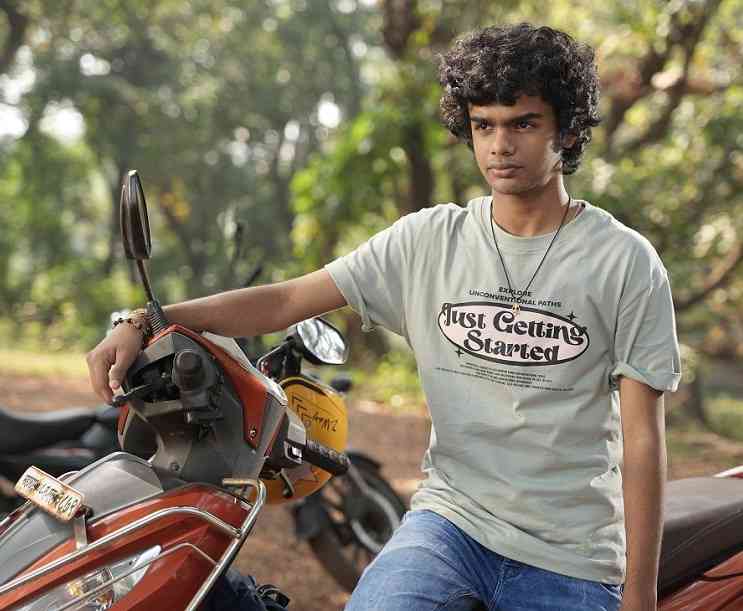
Their son Sanjya (Aaryan Menghji) is repulsed. Anya’s second wife Vishakha (Devika Daftardar) frets about Anya’s lingering feelings for Shailya. The town gleefully treats it all like a reality show.
Sameer Tewari’s Baapya explores transition and transformation, both of the body and attitudes. The Marathi movie, which is out in cinemas with English subtitles, is based on an idea by Priti Nair. It is written by Tewari and Vikrant Katkar, with inputs by Nair and a host of other writers.
Baapya positions itself as the introductory chapter in a study about gender identity. Unlike Rohan Kanawade’s Sabar Bonda (2025), which does not feel the need to explain a gay romance in a village, Baapya treats its characters – and viewers – as novices in conversations about gender dysphoria and transitioning.
The prejudice towards Shailya is the springboard for challenging orthodox beliefs about masculinity and femininity. The film lightens a risky subject through humour, affable characters and melodious songs. There’s a hilarious reference to preferred pronouns tucked into the rooted dialogue by Gauarav Relekar and Nikhil Palande.
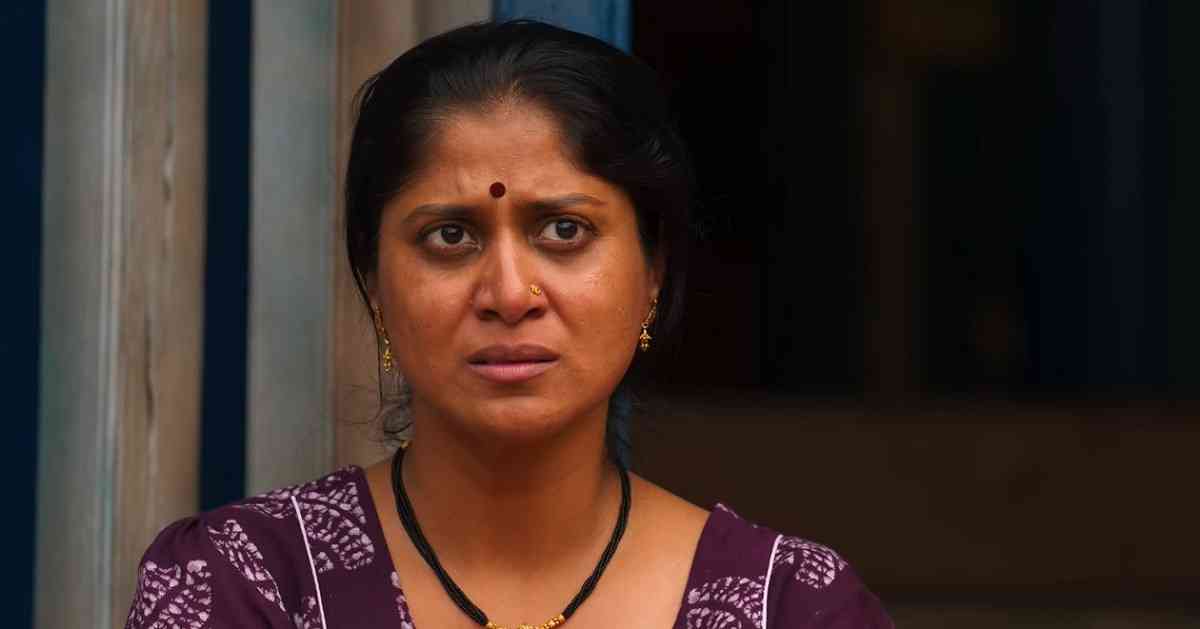
Baapya isn’t out-and-out comedic, instead pausing to consider Shailaja’s tortured feelings, her reluctance to marry Anya, and the hard choices she makes before her transition. Although the screenplay gets increasingly muddled and messy, there is clarity and cogency in presenting Shailya’s perspective.
Despite its deliberate naivete, the movie is believable for the most part. With grand gestures made to satisfy everybody and the earnest citing of religious scriptures to explain gender fluidity, Baapya pricks the conscience without leaving any deep wounds.
Having deftly earned its credentials as a sensitive and topical eye-opener, Baapya overcommits itself to its reformist agenda. The need for Shailya to justify his worth is an unnecessary, time-extending development in a film that staggers on for 147 minutes. The question of Shailya’s relationship with his son – a crucial part of the plot – is left until very late and doesn’t resolve itself smoothly.
Vishakha, played by the excellent Devika Daftardar, is another neglected aspect of a movie that is the strongest, and the most memorable, when dealing with its central relationship. Baapya is at heart a romance between a man and a woman who has always wanted to be a man.
The film is tipped in favour of Anya and sticks to his corner. From the second that Anya returns an exotic fish to the sea rather than adding it to his catch, he has viewers hooked.
Emotive and effusive to the point of being hyperbolic, Anya is also an empathy magnet. Anya’s blindness to Shailaja’s repressed identity is plausible, as is his insistence on remembering Shailesh as he was, rather than who he has chosen to become. Shailya’s trajectory gets somewhat neglected in the bargain.
While Rajshri Desphande is solid and committed in a dual role, Girish Kulkarni’s Anya is the scene-stealer. Kulkarni is especially outstanding in Anya’s drunken moments, in which the actor’s immersion in Anya’s fundamental sweetness is complete.
Shrikant Yadav is sharp too as Anya’s lawyer buddy. Yadav and Kulkarni have their own alcohol-laced banter, which is the kind of extraneous sequence that has been retained only because it is so entertaining. There are several scenes of this sort that give the rest of the estimable actors something to do, even if it bloats the runtime
While leaving many issues unresolved, Baapya squarely addresses the simple truth of why Shailaja needed to become Shailesh. There’s goodness, warmth and boldness in Sameer Tiwari’s Baapya, which brings trans identity into the mainstream with undeniable conviction.
Also read:
Behind gender transition-themed film ‘Baapya’, an ‘important journey from denial to acceptance’
